

Dental Bonding in Scarborough
A Simple Way to Improve Your Smile
Dental bonding is a quick, affordable cosmetic treatment that repairs chipped, stained, uneven, or gapped teeth using tooth-coloured resin. At Dean Park Dental, we provide dental bonding in Scarborough to enhance your smile while preserving your natural tooth structure.
Natural-Looking Results
Quick & Conservative Treatment
Affordable Cosmetic Option
Boosts Smile Confidence
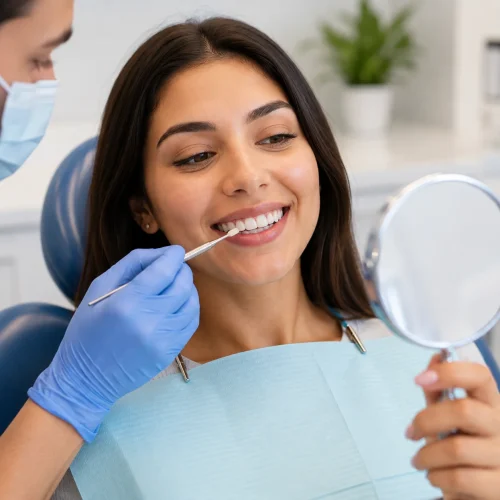
What Is Dental Bonding?
Dental bonding is a cosmetic and restorative procedure that uses a tooth-coloured resin material to improve the shape, size, colour, or appearance of a tooth.
The material is carefully applied, sculpted, hardened with a special curing light, and polished to blend naturally with your surrounding teeth.
Because bonding requires minimal alteration of the natural tooth, it is often considered one of the most conservative cosmetic treatments available.
Dental bonding can be used on a single tooth or multiple teeth depending on your goals.
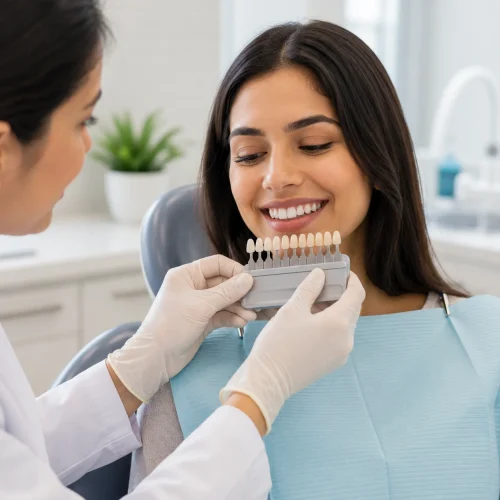
What Can Dental Bonding Fix?
Dental bonding is a versatile treatment that can address many common cosmetic concerns.
It may be used to improve:
- Chipped teeth
- Small cracks
- Minor gaps between teeth
- Irregular tooth shapes
- Uneven tooth edges
- Mild discoloration
- Small areas of tooth wear
- Slightly shorter teeth
Many patients choose Teeth Bonding in Scarborough because it can provide noticeable cosmetic improvements without the need for more extensive treatment.
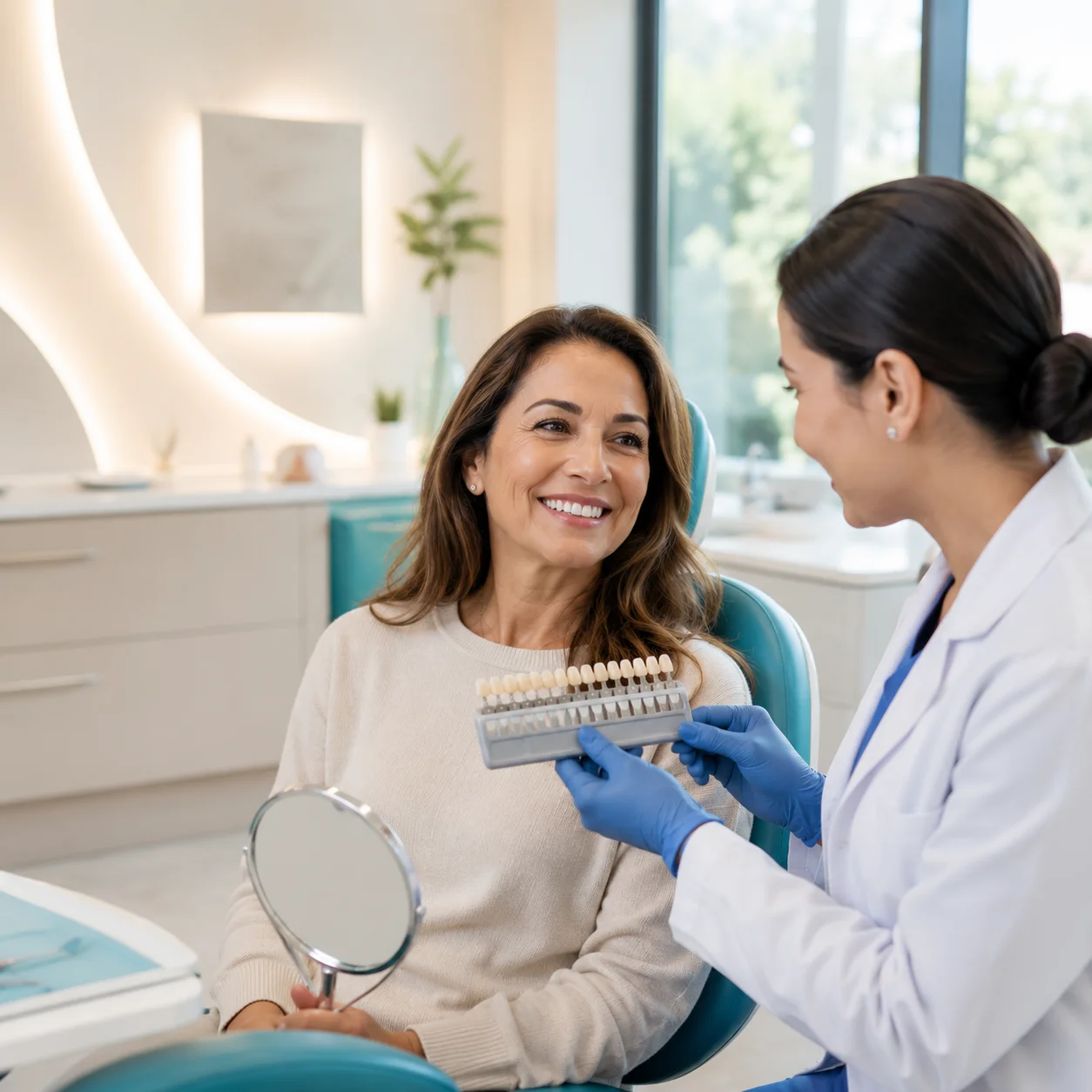
Can Dental Bonding Fix Chipped Teeth?
Yes.
One of the most common reasons patients seek Tooth Bonding in Scarborough is to repair chipped or damaged teeth.
The bonding material can often be shaped to restore the missing portion of the tooth, creating a natural-looking result that blends with the surrounding enamel.
For minor chips and cosmetic damage, bonding may provide a simple and effective solution that can often be completed in a single visit.
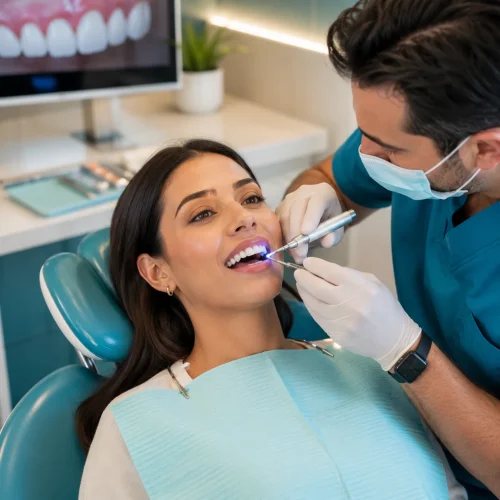
What Happens During the Dental Bonding Procedure?
Dental bonding is typically a straightforward and comfortable procedure.
Treatment generally involves:
- Evaluating the tooth and discussing your goals.
- Selecting a resin shade that matches your natural teeth.
- Preparing the tooth surface.
- Applying the bonding material.
- Sculpting and shaping the resin.
- Hardening the material with a curing light.
- Polishing the restoration for a natural appearance.
In many cases, little or no anesthesia is required unless bonding is being used to repair decay or structural damage.
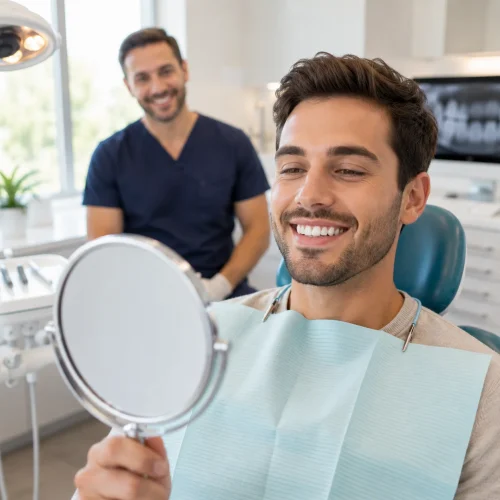
Does Dental Bonding Look Natural?
Modern bonding materials are designed to closely mimic the appearance of natural enamel.
At Dean Park Dental, we carefully select resin shades that complement your existing teeth and shape the material to create a seamless appearance.
The goal is not to make your smile look artificial, but rather to enhance it in a way that appears natural and balanced.
When performed properly, many people will not be able to tell which tooth has been bonded.
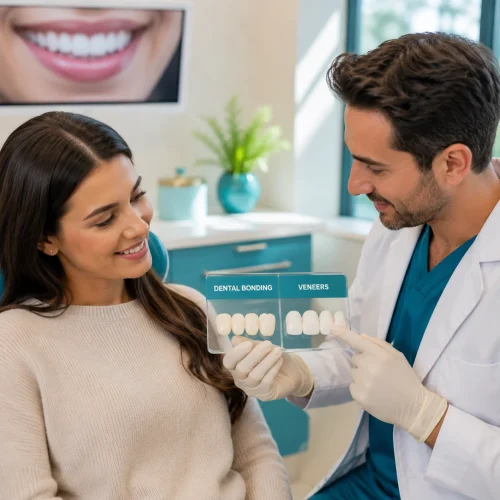
Dental Bonding vs. Veneers
Both dental bonding and veneers are popular cosmetic dentistry treatments, but they serve slightly different purposes.
Dental Bonding
Dental bonding may be ideal for:
- Small chips and cracks
- Minor cosmetic concerns
- Small gaps between teeth
- Quick smile improvements
- Patients seeking a more conservative treatment
Veneers
Veneers may be more suitable for:
- Multiple cosmetic concerns
- Significant discoloration
- Larger smile makeovers
- Long-term aesthetic enhancements
- Patients seeking highly customized cosmetic results
During your consultation, our team can help determine which treatment aligns best with your smile goals and expectations.
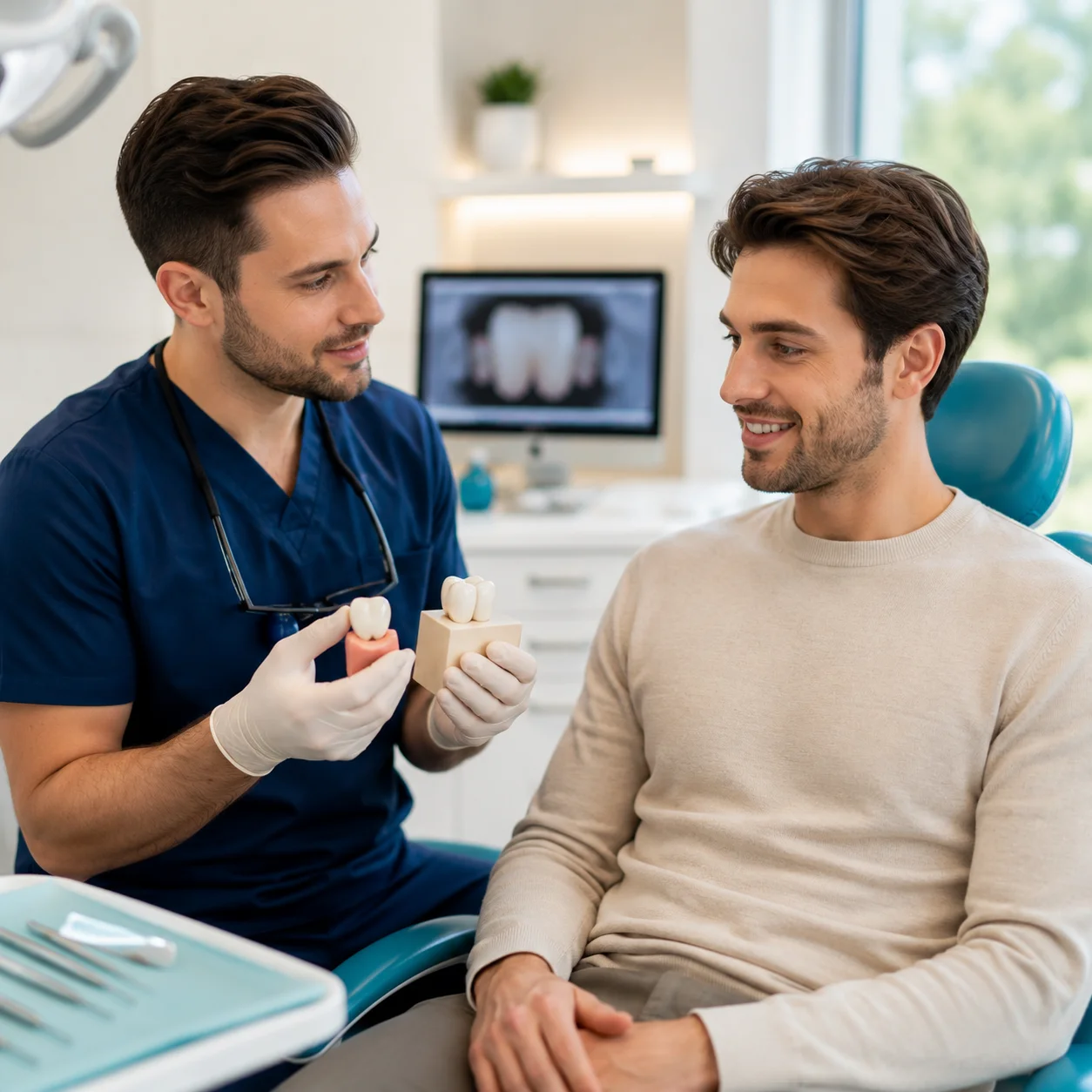
Dental Bonding vs. Dental Crowns
Patients sometimes wonder whether they need bonding or a crown.
The answer often depends on the amount of remaining tooth structure.
Dental Bonding May Be Appropriate For:
- Small chips
- Cosmetic reshaping
- Minor repairs
- Limited tooth damage
Dental Crowns May Be Recommended For:
- Extensive fractures
- Large areas of damage
- Weakened teeth
- Teeth following root canal treatment
A thorough examination helps determine which option will provide the most predictable long-term result
How Long Does Dental Bonding Last?
The lifespan of dental bonding varies depending on:
- The location of the bonded tooth
- Oral hygiene habits
- Biting and chewing forces
- Teeth grinding or clenching
- Diet and lifestyle habits
With proper care, dental bonding can often last several years before requiring touch-ups or replacement.
Maintaining routine dental visits and avoiding habits such as biting ice, chewing pens, or opening packages with your teeth can help extend the life of bonded restorations.
How Do You Care for Dental Bonding?
Caring for bonded teeth is similar to caring for your natural teeth.
We recommend:
- Brushing twice daily
- Flossing every day
- Attending regular dental checkups
- Avoiding excessive force on bonded teeth
- Limiting habits that may chip or stain the material
- Wearing a night guard if you grind your teeth
Good oral hygiene helps preserve both the bonding and your overall oral health.
Does Dental Bonding Damage Natural Teeth?
No.
One of the biggest advantages of dental bonding is that it is typically a conservative procedure.
In many cases, little to no healthy tooth structure needs to be removed before treatment. The bonding material is added directly to the tooth and shaped to achieve the desired result.
This makes bonding an attractive option for patients seeking cosmetic improvements while preserving natural enamel.
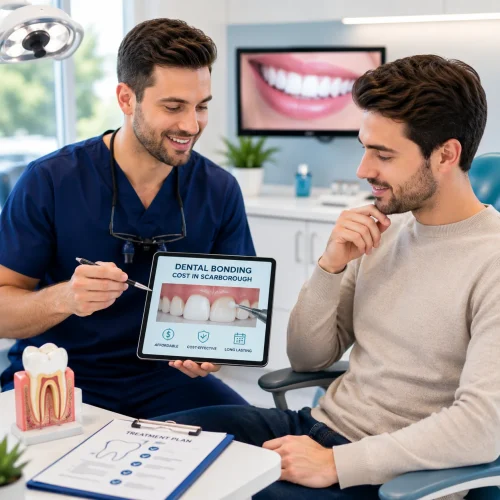
How Much Does Dental Bonding Cost in Scarborough?
The cost of dental bonding depends on several factors, including:
- The number of teeth being treated
- The complexity of the procedure
- The amount of bonding required
- Whether cosmetic or restorative treatment is being performed
- Your dental insurance benefits
Following an examination, we can provide a personalized treatment plan and explain all associated costs before treatment begins.
Why Choose Dean Park Dental for Dental Bonding?
Creating beautiful bonding results requires both technical skill and an eye for aesthetics.
Patients choose Dean Park Dental because we provide:
- Personalized cosmetic consultations
- Natural-looking smile enhancements
- Conservative treatment approaches
- Modern dental materials
- Comprehensive cosmetic dentistry services
- Attention to detail and aesthetics
- Friendly, patient-centred care
Whether you’re repairing a chipped tooth or improving the overall appearance of your smile, our goal is to create results that look natural and feel comfortable.
Enhance Your Smile with Conservative Cosmetic Dentistry
Small imperfections don’t always require extensive treatment. Dental bonding can provide a simple and effective way to improve chipped, worn, uneven, or slightly spaced teeth while preserving your natural smile.
At Dean Park Dental, we offer customized dental bonding solutions designed to enhance your confidence and help you achieve natural-looking results.
Frequently Asked Questions About Dental Bonding in Scarborough
How much does dental bonding cost in Scarborough?
The cost depends on the number of teeth treated, the complexity of the procedure, and your individual treatment goals. A consultation is the best way to receive a personalized estimate.
Can dental bonding fix chipped teeth?
Yes. Dental bonding is one of the most common treatments used to repair small chips, cracks, and cosmetic imperfections in teeth.
How long does dental bonding last?
With proper care, dental bonding can often last several years. Longevity depends on oral habits, tooth location, and maintenance.
Is dental bonding better than veneers?
Neither treatment is universally better. Bonding may be ideal for minor cosmetic improvements, while veneers may be recommended for more extensive smile transformations.
Does dental bonding damage teeth?
No. Dental bonding is generally considered a conservative treatment that preserves most or all of the natural tooth structure.
Can dental bonding close gaps between teeth?
Yes. Dental bonding is frequently used to close small gaps and improve the appearance of spacing between teeth.
Does dental bonding look natural?
Modern bonding materials are designed to match the colour and appearance of natural teeth, allowing for highly aesthetic and natural-looking results.